
Start a beginner embroidery practice with a doodle cloth.
If you’re curious about hand stitching but feel intimidated by patterns, perfection, or expensive supplies, a doodle cloth might be exactly what you’re looking for. In this post, I’m sharing how to start a doodle cloth, why it’s such a powerful tool for creative embroidery practice, and how you can turn it into a finished, giftable piece using something as simple as a canning jar ring.
This post goes hand in hand with my most recent YouTube video, where I walk through the entire process step by step. If you’re a visual learner, I highly recommend watching the video alongside this tutorial.
What Is a Doodle Cloth?
A doodle cloth is the embroidery equivalent of a sketchbook. Instead of drawing doodles with a pen, you “draw” with needle and thread. There’s no right or wrong outcome—just space to practice stitches, experiment with thread, and enjoy slow stitching.
This approach to beginner embroidery practice with a doodle cloth removes the pressure of creating something perfect. It’s especially helpful if you’re new to hand embroidery, returning to sewing after a break, or simply craving a more mindful creative practice.
Doodle cloths are also great for:
- Learning new embroidery stitches
- Practicing tension and stitch spacing
- Using up scrap fabric and thread
- Relaxing with intuitive hand stitching
Choosing Fabric, Thread, and Simple Tools
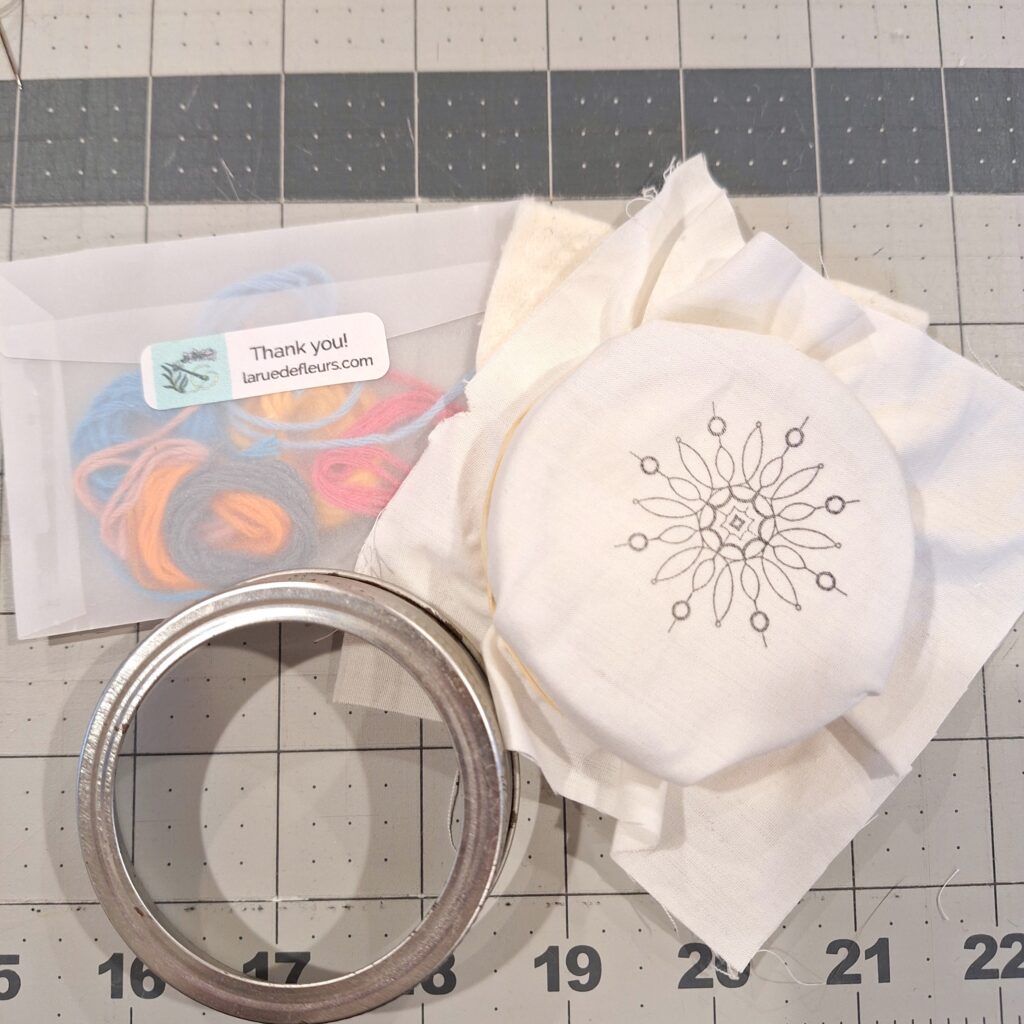
One of the best things about hand embroidery is how accessible it is. For this project, you only need a small piece of fabric (linen, cotton, or muslin work beautifully), embroidery floss, a needle, and scissors.
Instead of a traditional embroidery hoop, I use a canning jar ring. This creates a smaller working area, keeps the project approachable, and makes finishing the piece incredibly easy.
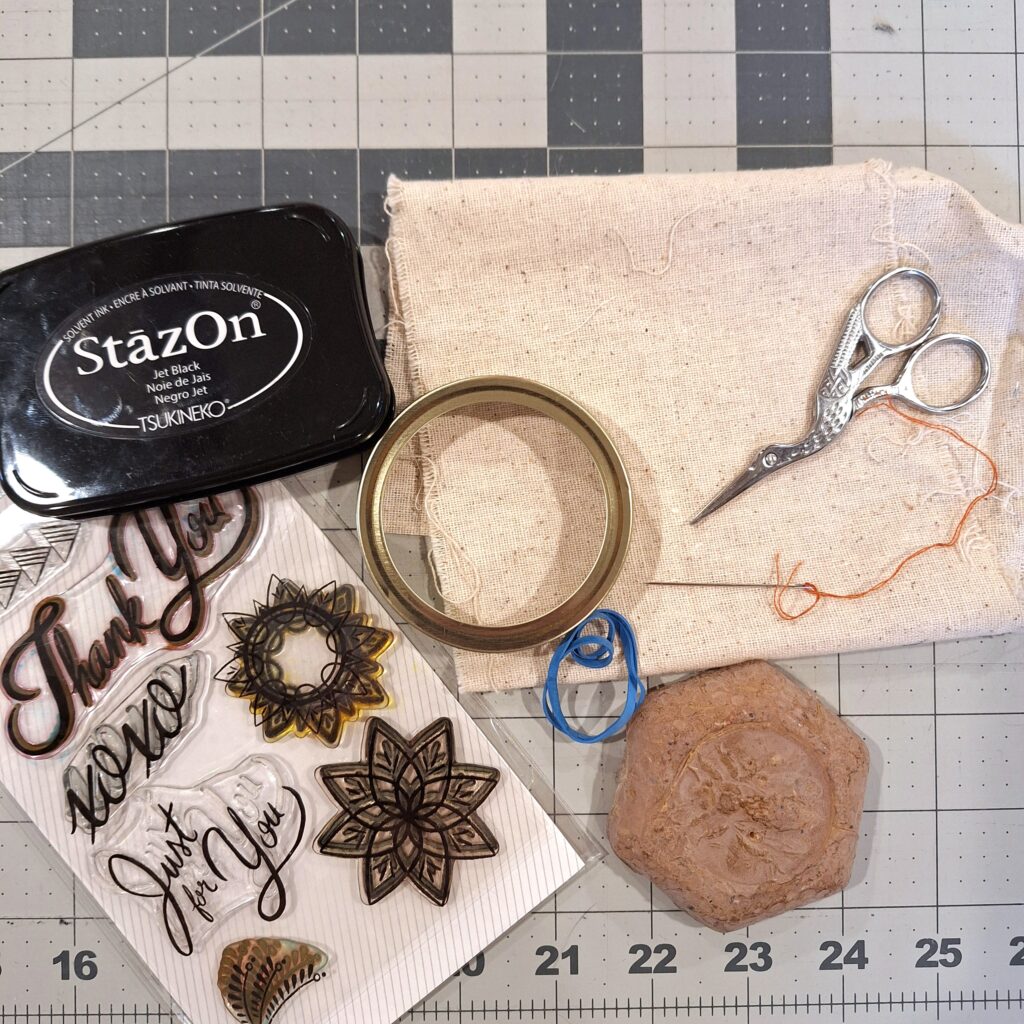
Using everyday materials is a great way to keep beginner sewing projects affordable and unintimidating.
Using a Stamp to Create a Foundation Design
If staring at a blank piece of fabric feels overwhelming, stamping is a fantastic solution. In both the video and this post, I show how to use a simple stamp and fabric-safe ink to create a repeating design.
The stamped image acts as a guide, giving you a place to start while still allowing plenty of room for creative freedom. You can stitch directly on the lines, embellish them, or completely ignore them as inspiration strikes.
This method works especially well for beginner embroidery practice with a doodle cloth because it combines structure with play.
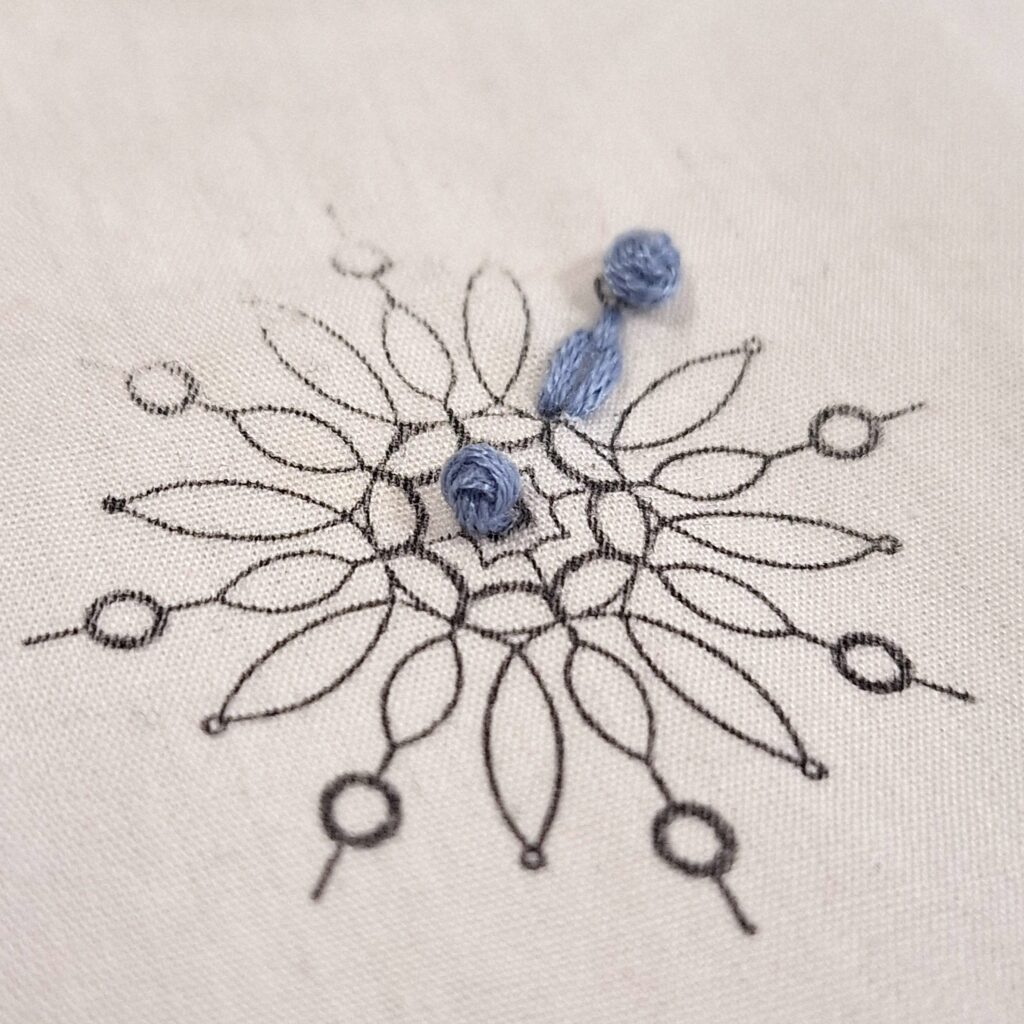
Stitching Your Doodle Cloth
Once your fabric is stamped and secured in the canning jar ring, it’s time to stitch. This is where the magic happens. Try basic embroidery stitches like running stitch, backstitch, French knots, lazy daisy, or seed stitch.
There’s no need to plan—just respond to the design and let your hands lead. Doodle cloths are about exploration, not execution.
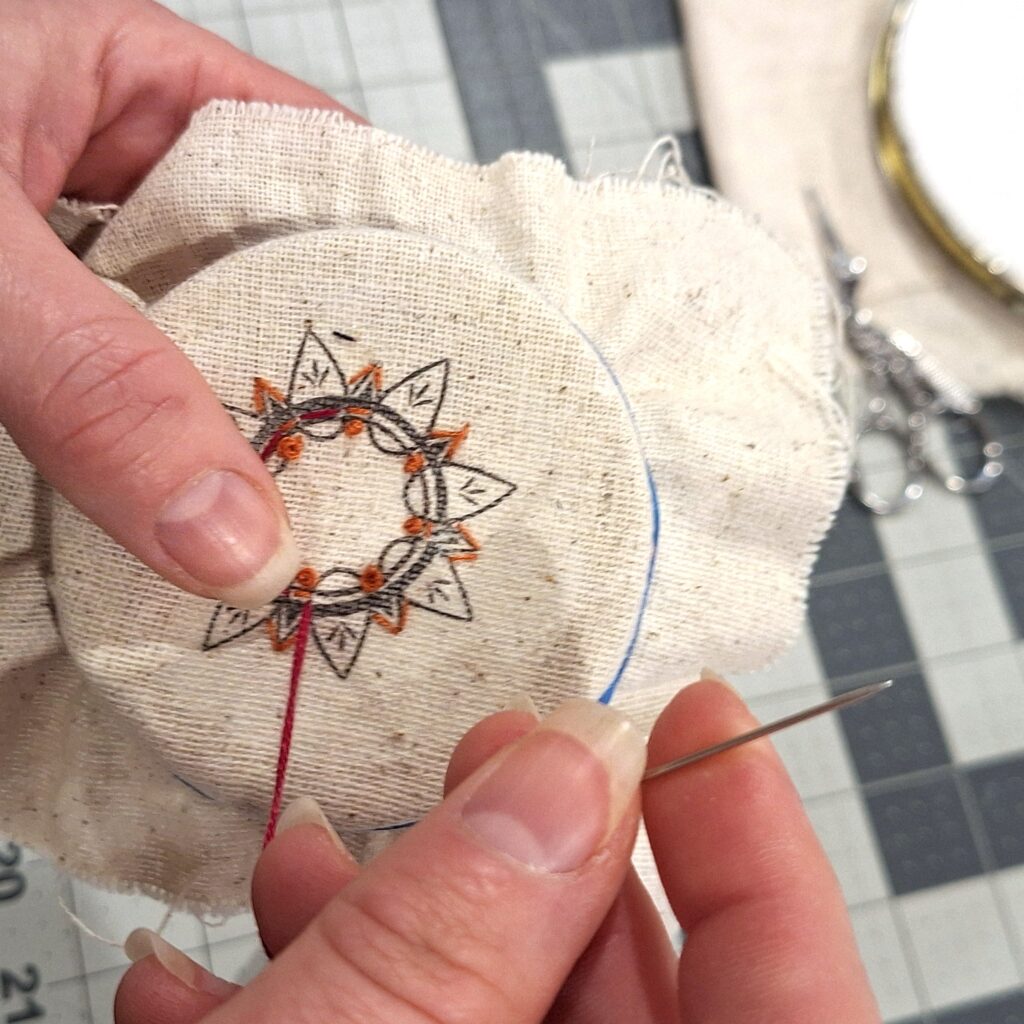
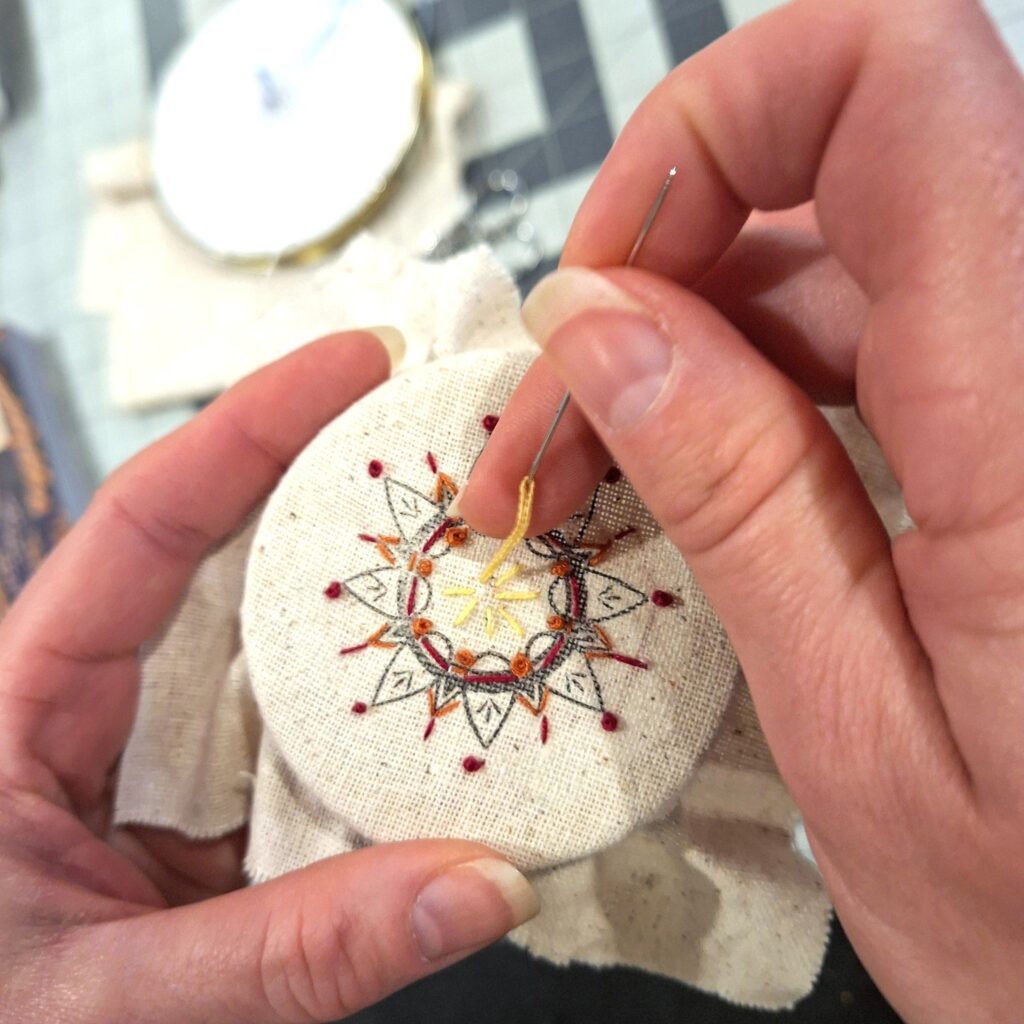
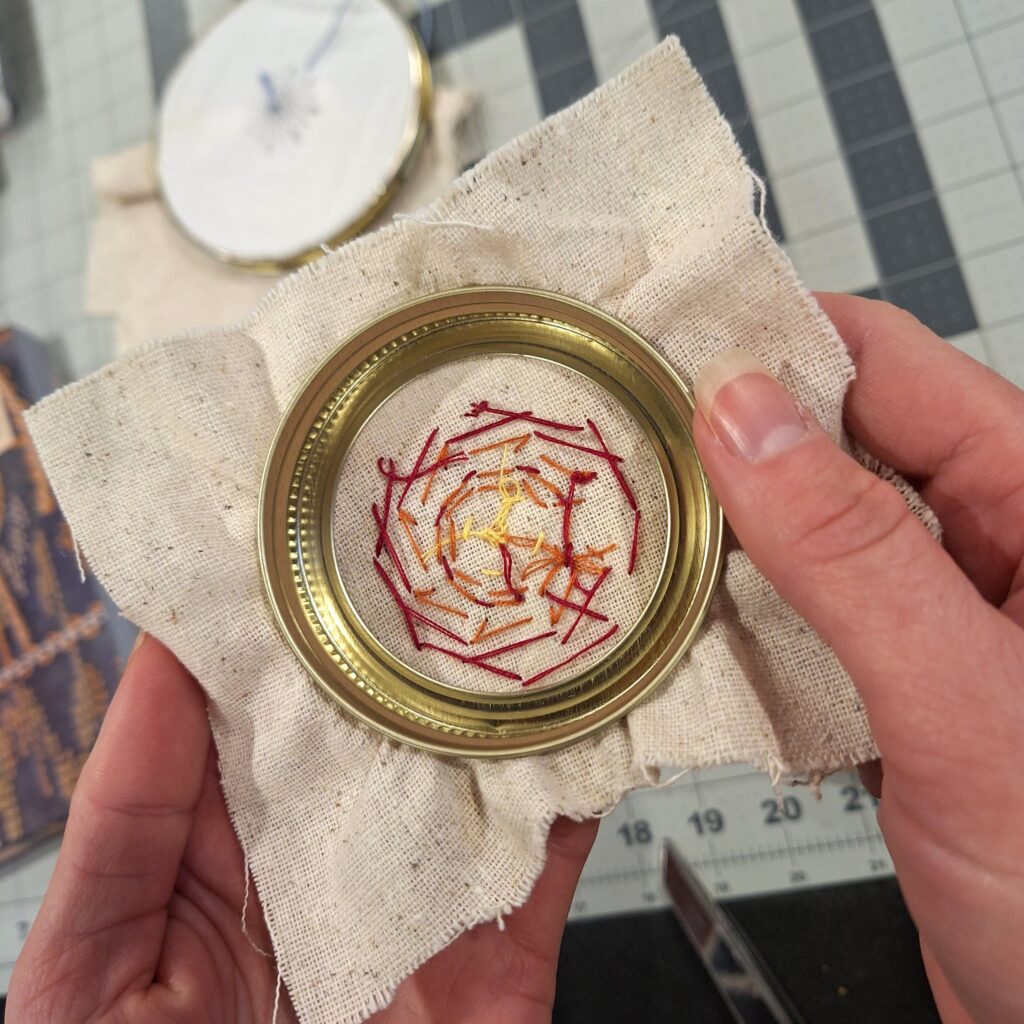
Turning Your Canning Jar Ring Into a Finished Piece
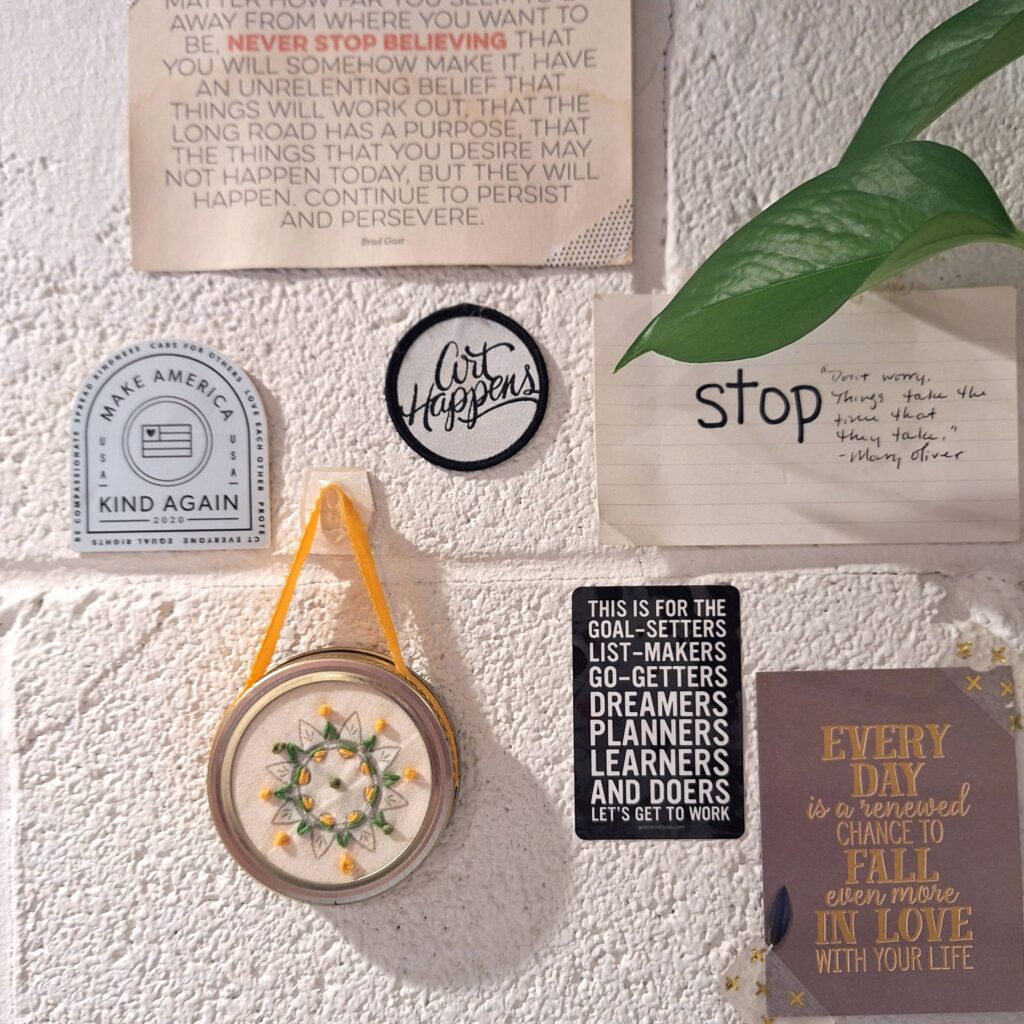
When your doodle cloth feels complete (or simply “done for now”), you can finish it in a few charming ways. One option is to leave the fabric in the canning jar ring and add a ribbon or twine to turn it into a giftable embroidery ornament.
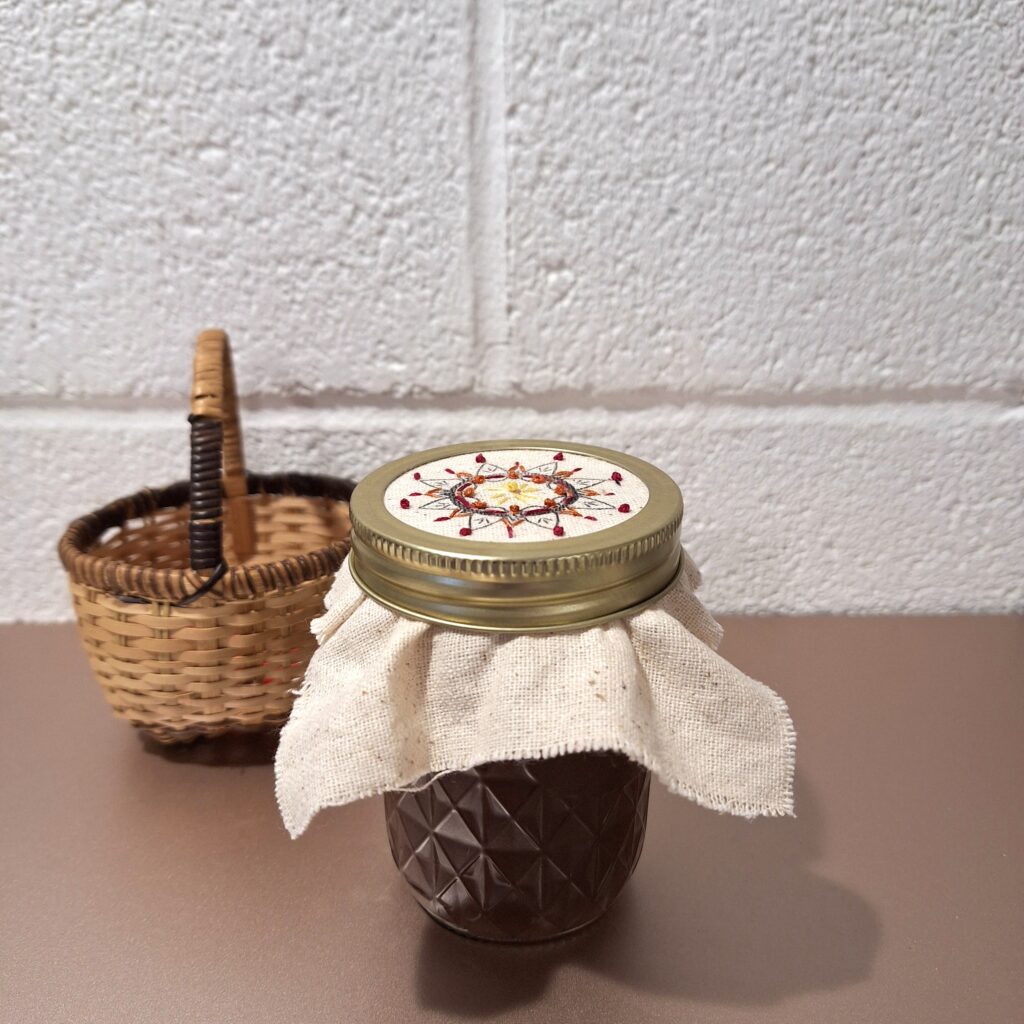
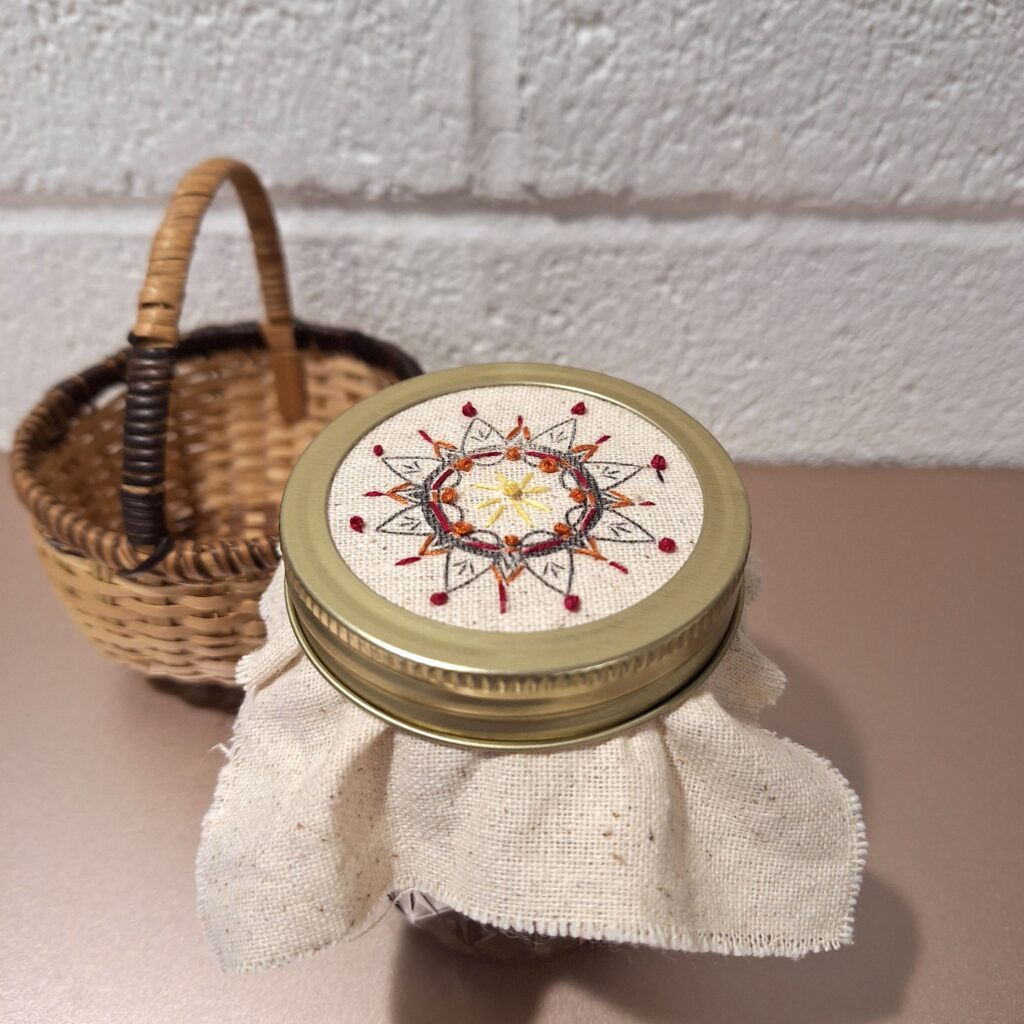
Another option is to screw the ring onto a small jelly jar, creating a sweet handmade container perfect for gifts, notions, or decor.
Watch the Video + Get the Kit
If you’d like to see this process in action, be sure to watch the full video tutorial linked here, where I demonstrate each step and share additional tips for hand stitching beginners.
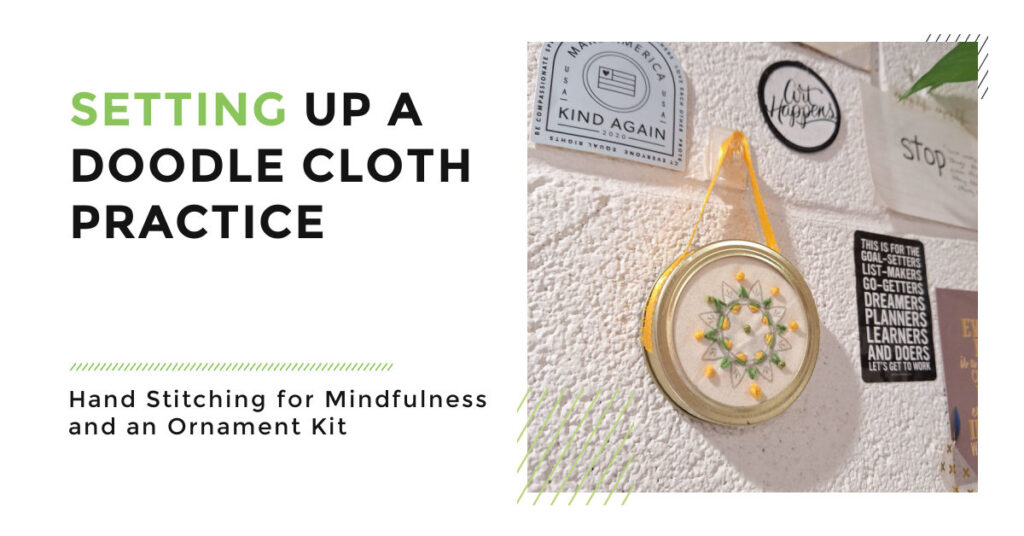
I also offer a doodle cloth embroidery kit in my Etsy shop, which includes curated materials to help you get started without guesswork. It’s perfect if you want to dive right into beginner embroidery practice with a doodle cloth.
Whether you’re brand new to hand stitching or simply looking for a gentler way to create, doodle cloths invite you to slow down, experiment, and enjoy the process—one stitch at a time.
Happy making, and keep an eye out for more doodle cloth projects on my YouTube, blog and IG soon! Janice
Inspiration and resources are linked where applicable. All written work and photographs are original content and are copyright protected; kindly give due credit by linking back to my website if you use or share.
(©2026, Janice Bailor // laruedefleurs.com)